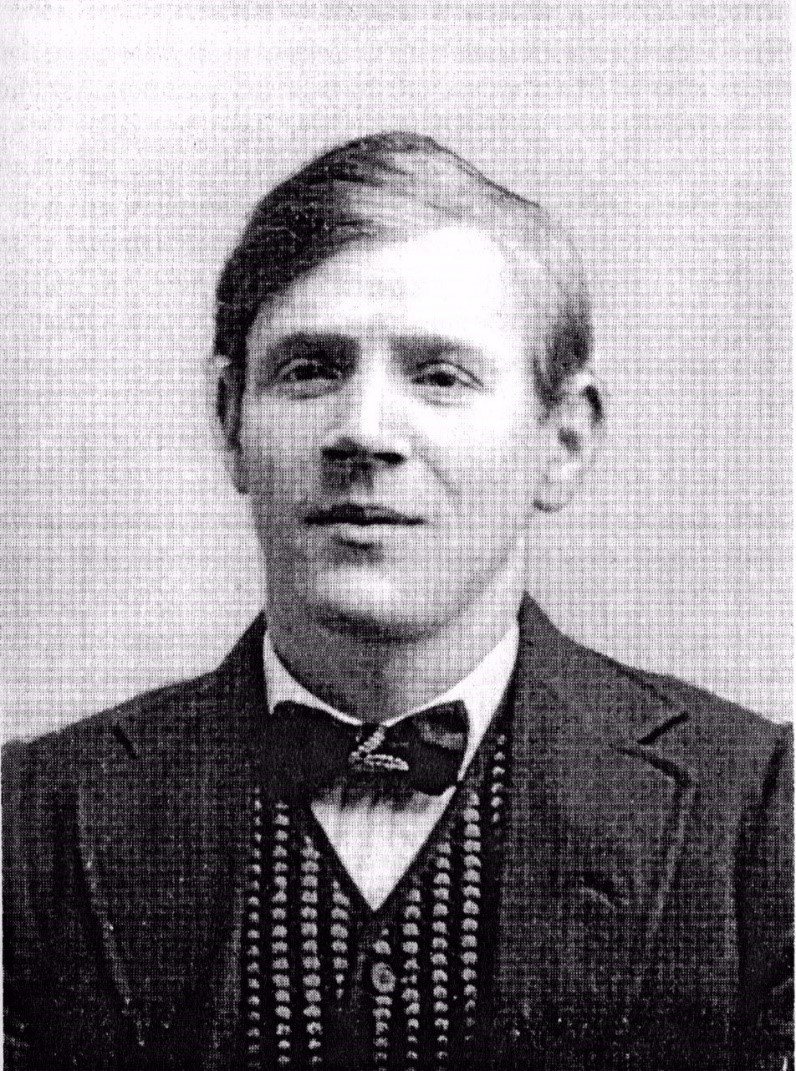
oxygen domain was triggered too early. This is usually an indicator for some code in the plugin or theme running too early. Translations should be loaded at the init action or later. Please see Debugging in WordPress for more information. (This message was added in version 6.7.0.) in /home/rdunsire/public_html/wp-includes/functions.php on line 6260wordpress-seo domain was triggered too early. This is usually an indicator for some code in the plugin or theme running too early. Translations should be loaded at the init action or later. Please see Debugging in WordPress for more information. (This message was added in version 6.7.0.) in /home/rdunsire/public_html/wp-includes/functions.php on line 6260Robert Dunsire VC lived for just over 24 years into which he
packed experiences, achievements and recognition which very few will ever
manage over an even longer lifetime. When opportunities came his way, Robert
grasped them and tackled them with skill, purpose and determination to do his
best and to set an example that others might follow. He was a shining light of
his generation.
He tackled life with a positivity, calm assurance and
humility that was always seemingly understated. This was reflected in his
performances with his violin and cornet and his determination to succeed as a
miner through further education. To get something out of life a person has to
put something extra in. Robert’s personal skills were demonstrated throughout
his short life and seemed to be magnified when he stepped forward to volunteer
for the Royal Scots in January 1915 after the outbreak of World War 1. At that
time, he made a very significant personal sacrifice to leave behind Kate, a
young bride of less than 6 months, to enlist in Kitchener’s Army. His life as a
hewer in the Pannie and Rosie Pits would certainly have physically toughened
Robert but he also learned that teamwork and mutual responsibility were
invaluable skills. His own religious experiences would have enhanced his own
gentle humility and respect for others.
His decision to become a soldier took him to new and distant
places in Great Britain and, ultimately, to France. For a miner from Fife this
was a fresh challenge but he was with many colleagues who would also be facing
that same challenge. From reports, Robert threw himself into this maelstrom and
was fully engaged in becoming the best he could be. Consequently, he would be
called upon to demonstrate trench making skills while he made an impression on
officers who picked him out to become one of the few machine gunners in his
Battalion.
Robert was to become a member of another specially selected group
as a result of his bravery in the face of the enemy at the Battle of Loos on 26
September 1915. His Act of Valour at Hill 70 in rescuing men under heavy enemy
fire resulted in his nomination for and award of the Victoria Cross some 2
months later.
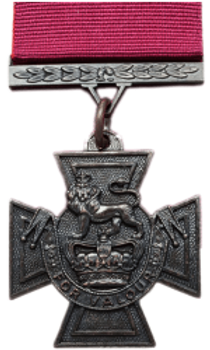
The Victoria Cross is the premier Operational Gallantry
award given for ‘most conspicuous bravery, or some daring or pre-eminent act of
valour or self-sacrifice, or extreme devotion to duty in the presence of the
enemy’.
In World War 1 Robert was the second Fife born recipient of
the highest honour for action in face of the enemy. David Finlay VC was the
first in May 1915 and Robert Dunsire VC was followed by John Erskine VC in June
1916, John McAulay VC in November 1917 and David Hunter VC in September 1918.
Robert was the second of six Royal Scots who were awarded
the Victoria Cross in World War 1. A Lance Corporal of the Highland Light
Infantry who was attached to 8th Royal
Scots was also awarded the Victoria Cross.
The announcement of Robert’s Victoria Cross drew great
praise and newspaper headlines. Robert carried the burden of ‘fame’ with ease
and humility. He was still the Fife miner at home in Fife and nationwide he had
been less than a year earlier. Sadly, he was never to return to his wife, Kate,
and his job as a miner after being wounded in action, then dying on 30 January
1915.
Robert’s name did not stay long in the public eye after the
end of World War 1. Family members quietly remembered him at home but no one
attempted to capitalise on his achievements. It took time for his name to be
recognised in the public domain when a new street in Overton, Kirkcaldy was
eventually named after him in 1935. There are limited mentions of Robert
Dunsire VC in the press after this except when his nephew, who was a Sergeant
in the Royal Tank Regiment, was posted missing in mid-1942 and. on a second
occasion, a second nephew who had served in Burma married in 1945.
The interest and pride of the family around the UK and
internationally has always been maintained, but never exploited. Their
participation and follow-up interest before and after the VC Commemoration
Ceremonies in Buckhaven on 26 September 2015 have always been achieved with a
quiet humility and dignity that was always accompanied by gratefulness for the
telling of Robert’s story.
In meeting Robert’s family members over recent years, I can
only observe that Robert’s 100 years-old character legacy has passed through
the generations of Dunsires family members. I am sure he would be as equally
proud of them as they are of him.