oxygen domain was triggered too early. This is usually an indicator for some code in the plugin or theme running too early. Translations should be loaded at the init action or later. Please see Debugging in WordPress for more information. (This message was added in version 6.7.0.) in /home/rdunsire/public_html/wp-includes/functions.php on line 6260wordpress-seo domain was triggered too early. This is usually an indicator for some code in the plugin or theme running too early. Translations should be loaded at the init action or later. Please see Debugging in WordPress for more information. (This message was added in version 6.7.0.) in /home/rdunsire/public_html/wp-includes/functions.php on line 6260From the time Robert left school at the age of 14 he was
employed as a miner. Robert worked as a hewer at the Pannie Pit, near his old
school at Pathhead. Hewers worked in very confined spaces as they dug out coal
with their picks. It did not matter whether the seam was so thin that he could
hardly creep into it on hands and knees, or whether it was thick enough for him
to stand upright – he was the miner responsible for loosening the coal from the
bed. Sometimes the roof that he would pass under was no more than one metre
high. It was challenging, exhausting and back-breaking work, with no real
mechanical assistance.
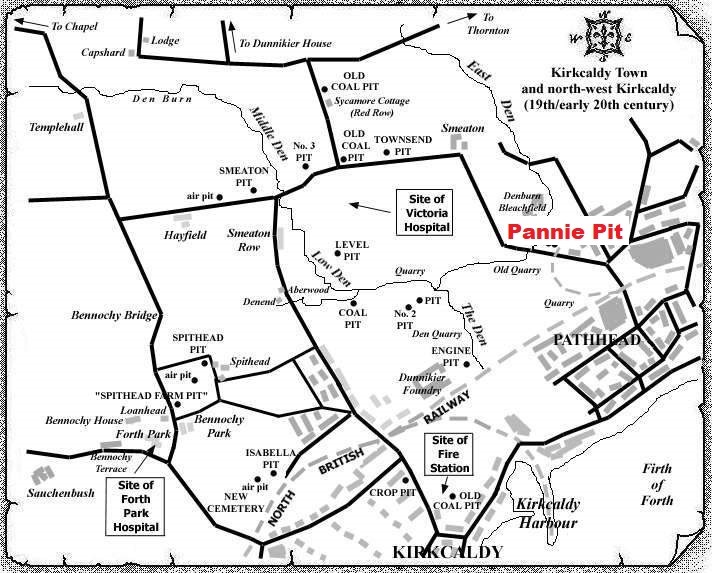
Attr: Michael Martin’s Fife Pits & Memorial Book Website
www.fifepits.co.uk
Along the coast in Wemyss Parish, the economy had really
taken off and this proved a magnet for Robert. He had now had several years’
mining experience and had attended two sessions of Mining Education at
Buckhaven Higher Grade School, a very short distance from his place of birth in
Station Road. This building would later house Buckhaven Technical College, the
original Buckhaven High School then Braehead School.
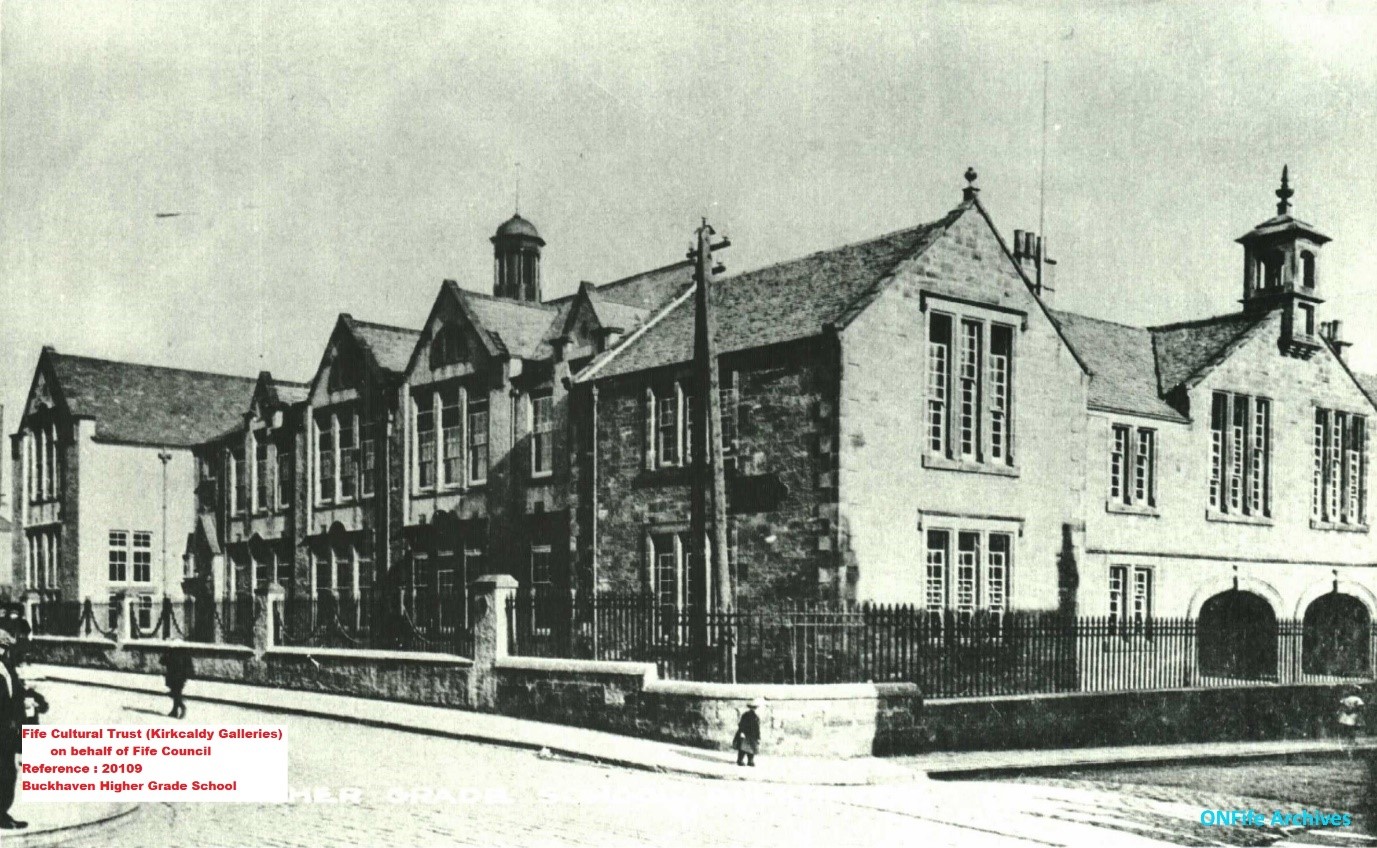
Attr: Fife Cultural Trust (Kirkcaldy Galleries) on behalf of
Fife Council
Robert moved from Dunnikier Colliery to the Rosie Pit
between Buckhaven and East Wemyss in 1912/1913.
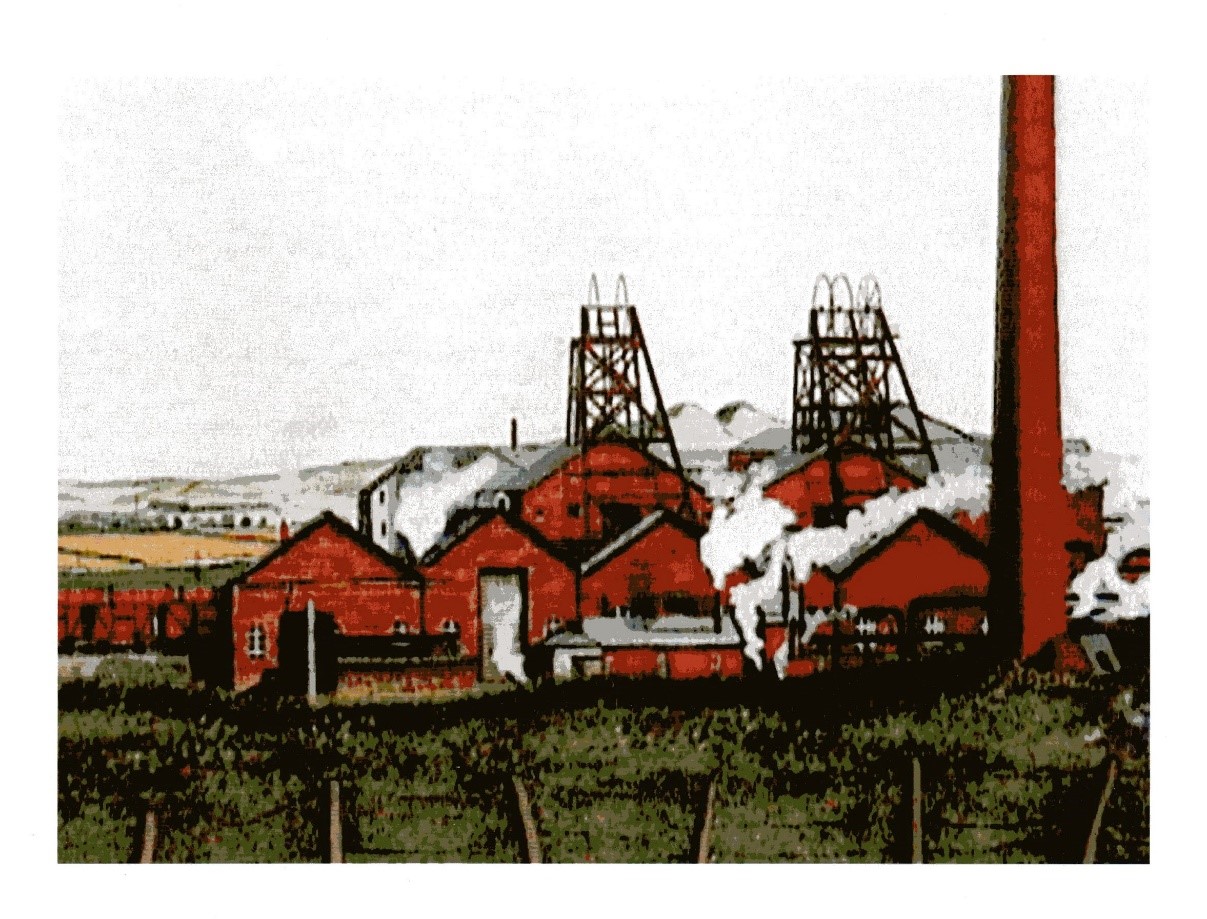
Attr: Painting of Rosie Pit by George Beckwith
Original Purchased and Presented to Comite Historique
Mazingarbe by Bert Hannah
The interdependency of miners forged strong and trusting
relationships in the workplace and at leisure. Many miners played sports
together and joined mining music groups. Mining companies saw great value in
investing in community spirit through participation in these activities.
In his limited leisure time, Robert was an accomplished violin
player. Through his lessons with the local hairdresser, Mr Mason, Robert knew
that listening, discipline and dedicated practice were key to his improvement
as a player. As he moved on to play in orchestras such as the Dysart Gospel
Temperance Orchestra that played in the hall in Commercial Street at Pathhead,
he developed his ability to work in concert with his fellow musicians. The
value of his individual skills was not enough; his role was to blend in as a
fully functioning person within a smooth-running and effective team. It wasn’t
just about him; it was about them.
These skills and disciplines were even more critical when he
started to play cornet in the Dunnikier Colliery Band, which was on an
ambitious and upward trajectory from 1908 onwards and wanted to be a
prize-winning band. This was reflected in their recruitment of leading
conductors and their improving achievements in local and national competitions.
In order to win the Scottish Championships, they brought in the doyen of brass
band Musical Directors and Conductors, Robert Rimmer.
Robert’s musicianship also had a lighter touch and a fun
element. He played at many local social occasions, as part of a quadrille dance
band. He was capable of developing positive relationships in many environments.
From other sources it was learned that Robert was also a man
of faith. Apart from Gospel Temperance Orchestra, there were newspaper suggestions
that he also played in a local YMCA orchestra and went on to play in the
Buckhaven PSA (Pleasant Sunday Afternoon) or ‘Brotherhood’ Orchestra, in which
he eventually played First Violin.
By the age of 21, Robert Dunsire was a man of many parts.
Newspapers reported that Robert was a popular player in the
Buckhaven Hawthorns Juvenile Football team. He was not physically big, but was strong
from his work in the pit, and ready to test another set of skills, strength and
contribution in yet another situation as a member of a team.
Robert was clearly encouraged and supported at home to make
the most of himself and his talents, was a positive individual to have on your
side, and had a strong ethical background. Robert could be trusted to work
hard, contribute as an individual and team player, and would lead and take
responsibility if asked. Mining communities recognised the importance of trust
and interdependency required within any work or leisure setting.